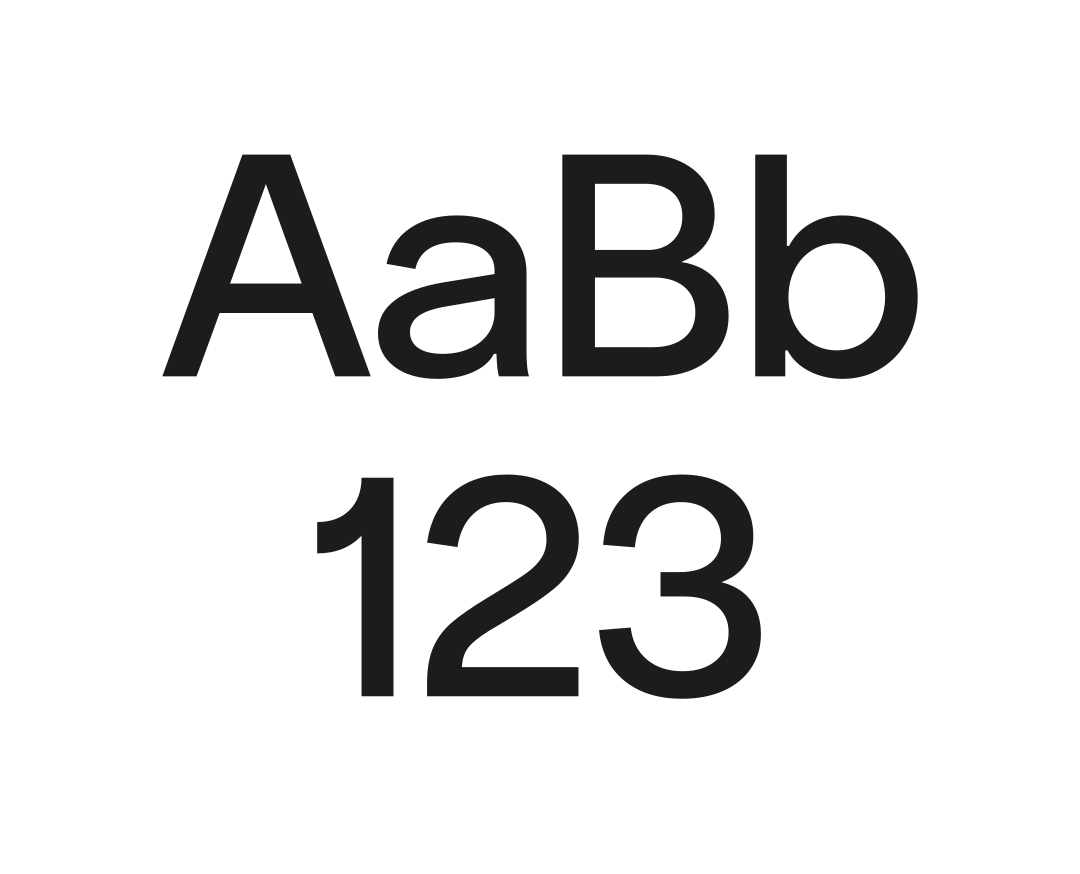
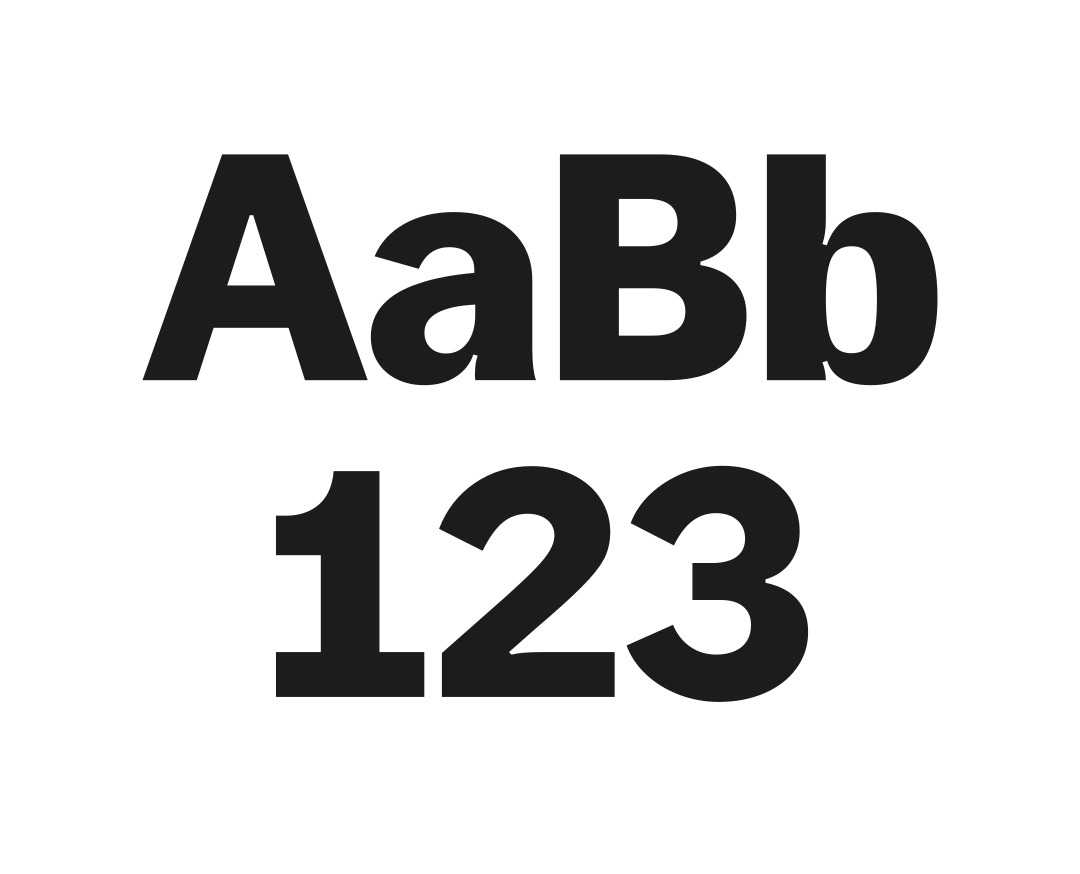
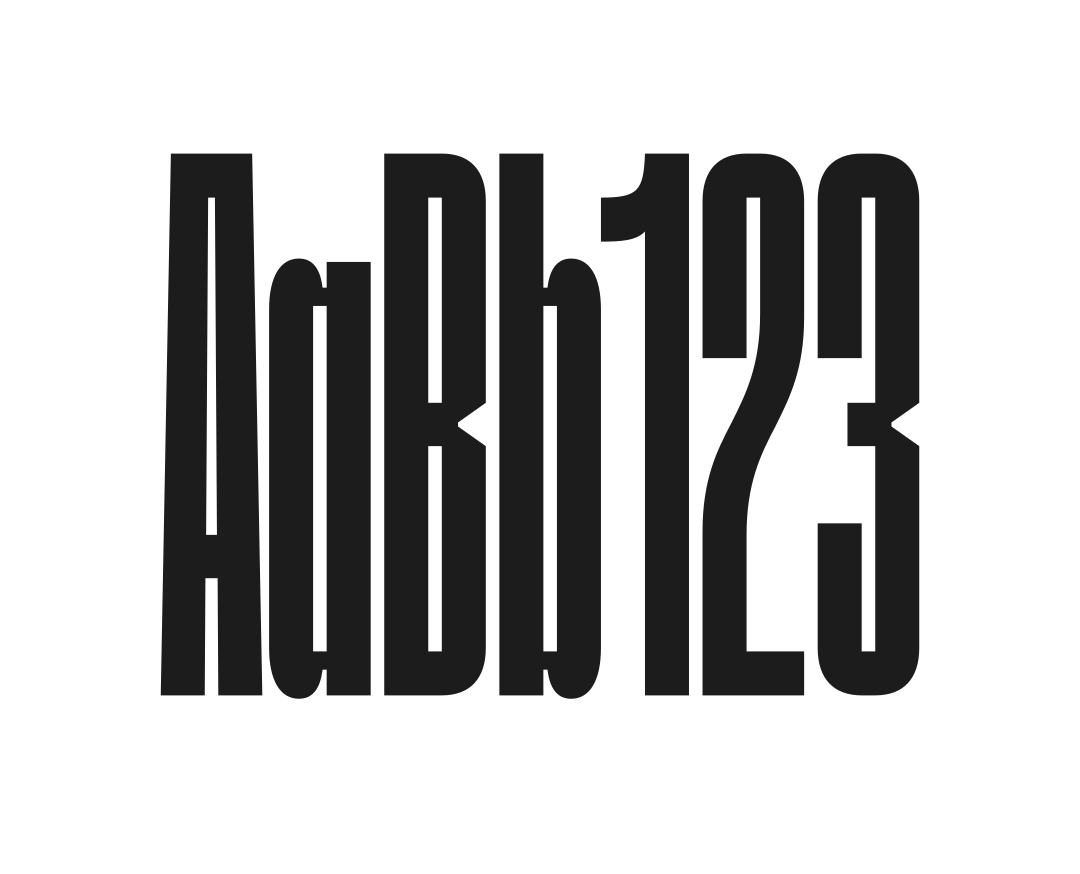
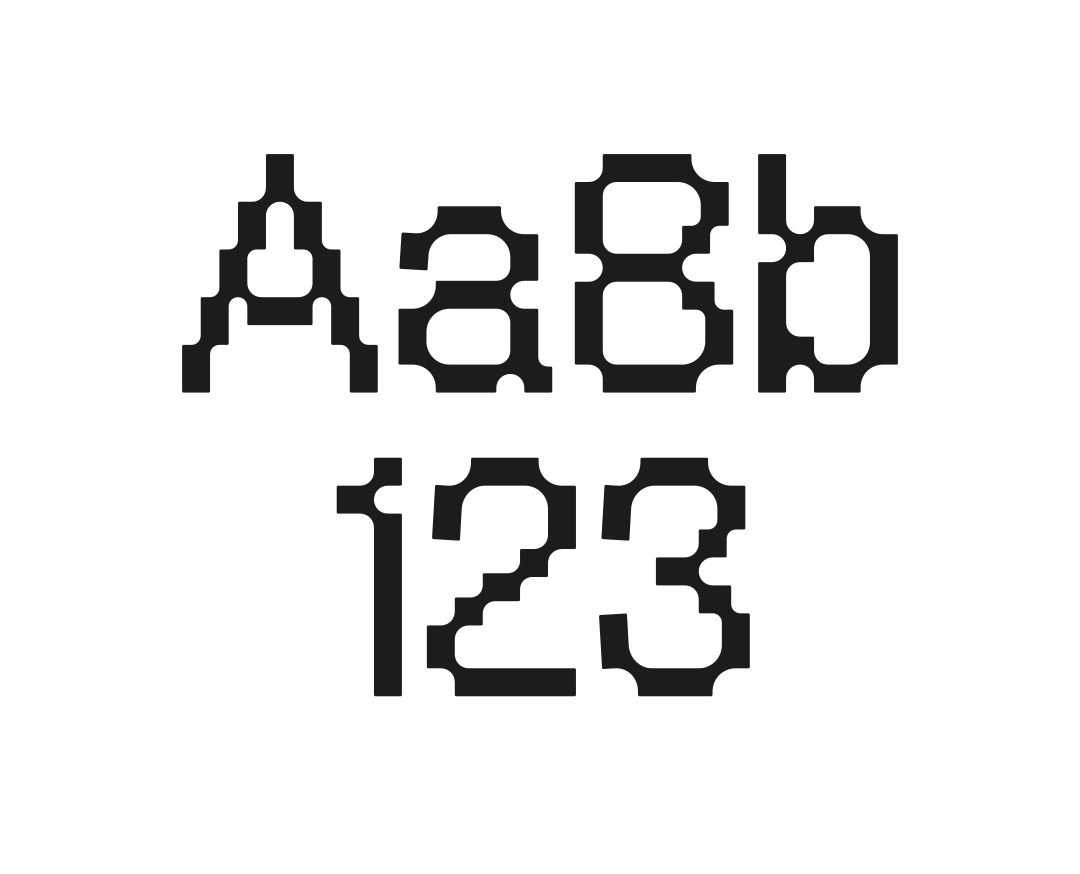
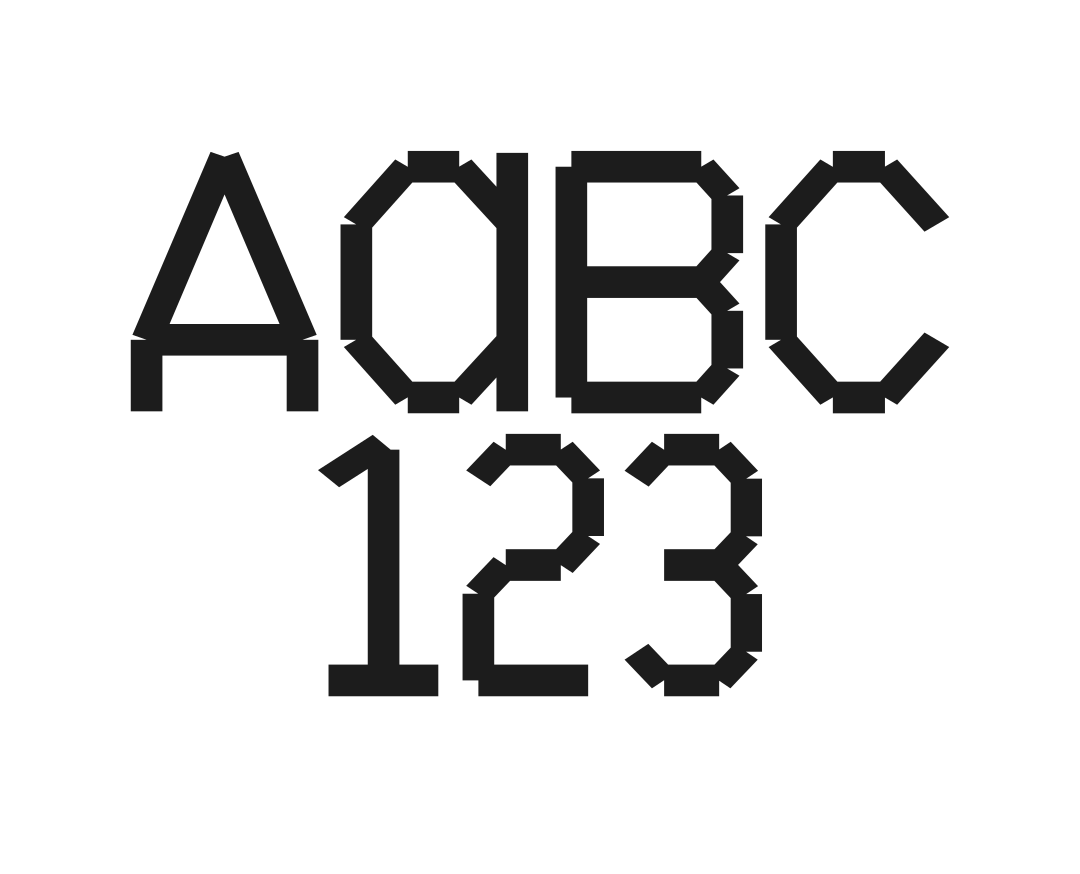
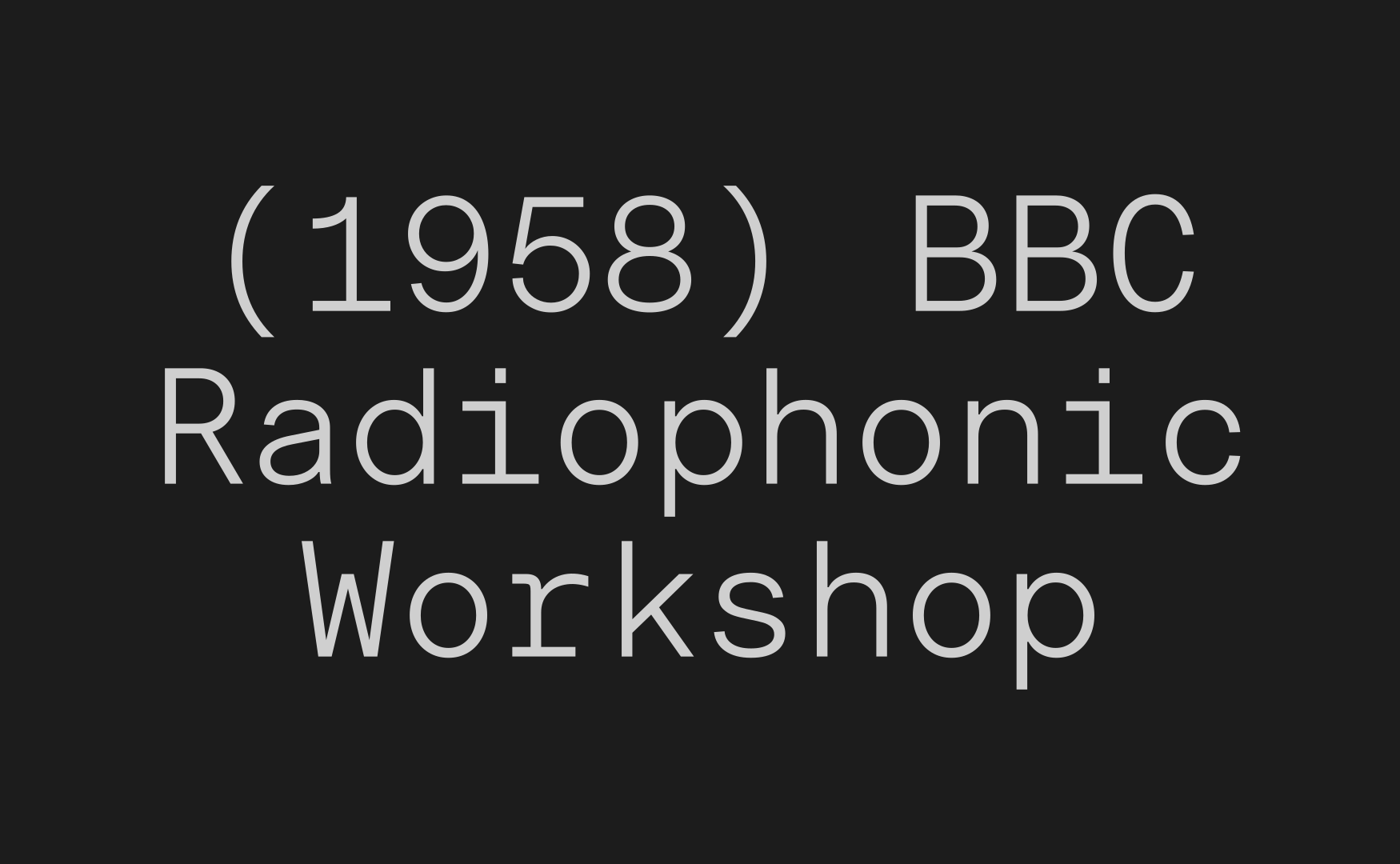
Mechanical, fixed-width sans-serif
7 styles & weight axis variable
ExtraLight
ExtraBold
Size
Spacing
Leading
Discretional Ligatures
Single Storey a
Curved f
Curved i
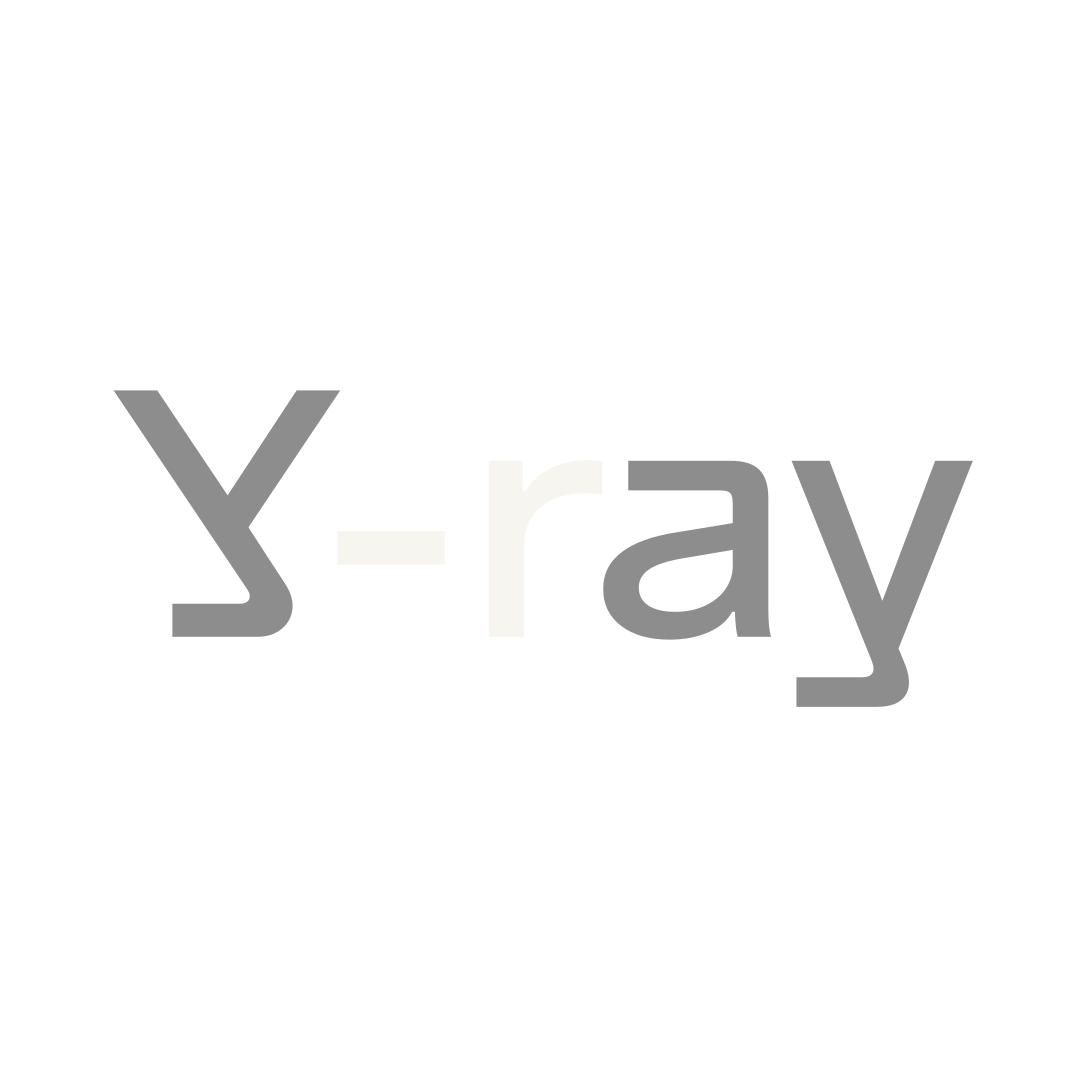
Flat a,Y,y
Alternate Q
Alternate &
Rounded Dots
Alternate 0
Circle Numerals
Fill Circle Numerals
Oscillator №03 / sine & sawtooth & square / frequency: 440hz
ExtraLight
ExtraBold
Size
Spacing
Leading
Discretional Ligatures
Single Storey a
Curved f
Curved i
Flat a,Y,y
Alternate Q
Alternate &
Rounded Dots
Alternate 0
Circle Numerals
Fill Circle Numerals

Kuno spoke of the tremendous thing that had happened. He told me, “I have been threatened with Homelessness, and I could not tell you such a thing through the Machine.” Homelessness means death; the victim is exposed to the air, which kills him.

“I have been outside since I spoke to you last. The tremendous thing has happened, and I must be adapted to his surroundings, must he not? In the dawn of the world our weakly were exposed on Mount Taygetus, in its twilight our strong will suffer euthanasia, that the Machine may progress, that the Machine may progress, that the Machine may progress eternally.

“You know that we have lost the sense of space. We say ‘space is annihilated,’ but we have annihilated not space, but the sense thereof. We have lost a part of ourselves. I determined to recover it, and I began by walking up and down the platform of the railway outside my room. Up and down, until I was tired, and so did recapture the meaning of ‘Near’ and ‘Far.’ ‘Near’ is a place to which I can get quickly on my feet, not a place to which the train or the air-ship will take me quickly. ‘Far’ is a place to which I cannot get quickly on my feet; the vomitory is ‘far,’ though I could be there in thirty-eight seconds by the next platform and paced that also, and so with each in turn, until I came to the topmost, above which begins the earth. All the platforms were exactly alike, and all that I gained by visiting them was to develop my sense of space and my muscles. I think I should have been content with this — it is not a little thing — but as I walked and brooded, it occurred to me that our cities had been built in the days when men still breathed the outer air, and that there had been ventilation-shafts for the workmen. I could think of nothing but these ventilation-shafts. Had they been destroyed by all the food-tubes and medicine-tubes and music-tubes that the Machine has evolved lately? Or did traces of them remain? One thing was certain. If I came upon them anywhere, it would be in the railway-tunnels of the topmost story.

“I am telling my story quickly, but don’t think that I was not a coward or that your answers never depressed me. It is not the proper thing, it is not mechanical, it is not decent to walk along a railway-tunnel. I did not fear that I might tread upon a live rail and be killed. I feared something far more intangible — doing what was not contemplated by the Machine. Then I said to myself, ‘Man is the measure,’ and I went, and after many visits I found an opening.

“The tunnels, of course, were lighted. Everything is light, artificial light; darkness is the exception. So when I saw a black gap in the tiles, I knew that it was an exception, and rejoiced. I put in my arm — I could put in no more at first — and waved it round and round in ecstasy. I loosened another tile, and put in my head, and shouted into the darkness: ‘I am coming, I shall do it yet,’ and my voice reverberated down endless passages. I seemed to hear the spirits of those dead workmen who had returned each evening to the starlight and to their wives, and all the generations who had lived in the open air called back to me, ‘You will do it yet, you are coming.’”

Image of UT Atypic Mono typeface
ExtraLight
ExtraBold
Size
Spacing
Leading
Discretional Ligatures
Single Storey a
Curved f
Curved i
Flat a,Y,y
Alternate Q
Alternate &
Rounded Dots
Alternate 0
Circle Numerals
Fill Circle Numerals
The machine may progress eternally.

Styles

Standby
& Active
Atypic Mono ExtraLight
200
TARS (2014)
Atypic Mono Light
300
Let’s talk!
Atypic Mono Text
350
Shall we play chess?
Atypic Mono Regular
400
I didn’t catch that...
Atypic Mono Medium
500
Transit Event №26
Atypic Mono Bold
700
D.MONOCEROTIDS
Atypic Mono ExtraBold
800

OpenType Features

DLIG
Common contractions have been re-spaced for tighter text setting by combining the apostrophe into the postcedent glyph.
SS01
Round alternate ‘a’
SS02
Script-style alternate ‘f’
SS03
Script-style alternate ‘i’
SS04
Flat ‘Y’, ‘a’ & ‘y’
SS05
Stripped-back ‘Q’
SS06
Traditional “et” style ampersand
SS07
Round dots and commas
SS08
Alternate zero
SS09
Outlined circular numbers
SS10
Filled circle numbers
SS01
Round alternative ‘a’ for a softer feel.
SS02
Script-style alternative ‘f’ that fits well among rounder neighbours.
SS03
Script-style ‘i’ as an alternative to the typical flat-bottomed mono design.
SS04
Flat ‘Y’, ‘a’ & ‘y’ for a technical aesthetic.
SS05
Stripped-back ‘Q’ with maximum counter space.
SS06
Traditional “et” style ampersand.
SS07
Square dots and commas can be replaced with round versions.
SS08
Alternate zero with a period centre.
SS09
Outlined circular numbers, useful for diagrams and checklists.
SS10
Filled variants of the circle numbers.
Image showing contractions feature  for Atypic Mono.
DLIG
Common contractions have been re-spaced for tighter text setting by combining the apostrophe into the postcedent glyph. These are activated with the ‘Discretionary Ligatures’ OpenType feature.

Glyph Set

UT
xxxx
UNIT Type
A
B
C
D
E
F
G
H
I
J
K
L
M
N
O
P
Q
R
S
T
U
V
W
X
Y
Z
Q
Y
a
b
c
d
e
f
g
h
i
j
k
l
m
n
o
p
q
r
s
t
u
v
w
x
y
z
a
a
f
i
y
0
1
2
3
4
5
6
7
8
9
0
&
&
@
(
)
[
]
{
}
【
】
/
|
\
!
¡
?
¿
•
_
-
–
—
〜
.
,
;
:
…
'
‘
’
‚
‹
›
“
"
”
„
«
»
†
‡
*
⁂
°
§
©
®
Á
À
Ă
Â
Å
Ä
Ã
Ą
Ā
Æ
Ć
Ĉ
Č
Ċ
Ç
Ď
Đ
Ð
É
È
Ĕ
Ê
Ě
Ë
Ẽ
Ė
Ę
Ē
Ə
Ğ
Ĝ
Ġ
Ģ
Ĥ
Ħ
Í
Ì
Ĭ
Î
Ï
Ĩ
İ
Į
Ī
Ĵ
Ķ
Ĺ
Ľ
Ļ
Ł
Ń
Ň
Ñ
Ņ
Ó
Ò
Ŏ
Ô
Ö
Ő
Õ
Ø
Ō
Œ
Ŕ
Ř
Ŗ
Ś
Ŝ
Š
Ş
Ș
™
ℓ
℮
№
ẞ
Ť
Ţ
Ț
Ŧ
Ú
Ù
Ŭ
Û
Ů
Ü
Ű
Ũ
Ų
Ū
Ẃ
Ẁ
Ŵ
Ẅ
Ý
Ỳ
Ŷ
Ÿ
Ỹ
Ź
Ž
Ż
Þ
Ý
Ỳ
Ŷ
Ÿ
Ỹ
á
à
ă
â
å
ä
ã
ą
ā
æ
ć
ĉ
č
ċ
ç
ď
đ
ð
é
è
ĕ
ê
ě
ë
ẽ
ė
ę
ē
ə
ğ
ĝ
ġ
ģ
ħ
í
ì
ĭ
î
ï
ĩ
į
ī
ı
ĵ
ķ
ĺ
ľ
ļ
ł
ŀ
ń
ň
ñ
ņ
ó
ò
ŏ
ô
ö
ő
õ
ø
ō
œ
ŕ
ř
ŗ
ś
ŝ
š
ş
ș
ß
ť
ţ
ț
ŧ
ú
ù
ŭ
û
ů
ü
ű
ũ
ų
ū
ẃ
ẁ
ŵ
ẅ
ý
ỳ
ŷ
ÿ
ỹ
ź
ž
ż
þ
á
à
ă
â
å
ä
ã
ą
ā
á
à
ă
â
å
ä
ã
ą
ā
í
ì
ĭ
î
ï
ĩ
į
ī
ı
ý
ỳ
ŷ
ÿ
ỹ
¤
£
€
$
¢
¥
₪
₴
₹
₺
₽
₿
+
−
÷
×
=
#
½
¼
⅛
¾
⅜
⅝
⅞
%
‰
<
>
≤
≥
±
≠
≈
∞
0
1
2
3
4
5
6
7
8
9
←
→
↑
↓
↔
↕
↖
↗
↘
↙
↩
↪
↰
↱
↲
↳
↶
↷
↺
↻
⇄
⇆
⬎
⬏
⬐
⬑

Notes

Atypic Mono takes the familiar forms of Atypic and works them into a fixed-width system. Some of the broader characters needed rethinking, but the aim was to preserve as much of the original structure as possible while embracing the mechanical rhythm of a monospace. The result is recognisably Atypic, just working to a different set of rules.

Technical

Family
UT Atypic Mono
Styles
7
Variable axes
Weight
Design & production
James Smith
Classification
Neo-grotesque, Monospaced
Version
2.001
Release date
July 2024
Glyphs
OpenType features
File formats
Web font sizes (WOFF2)
ExtraLight – 44kb
Light – 46kb
Text – 45kb
Regular – 46k
Medium – 45kb
Bold – 46kb
ExtraBold – 46kb
Variable – 50kb
911
Discretionary Ligatures
Contextual Alternates
Case Sensitive Forms
Small Capitals
Tabular Figures
Fractions
Numerators
Denominator
Ordinals
Scientific Inferiors
Subscript
Superscript
10 x Stylistic Sets
OTF (Desktop & App)
WOFF2 (Web)
TTF (Variable)

Languages

Acheron, Achinese, Acholi, Achuar-Shiwiar, Afar, Afrikaans, Aguaruna, Alekano, Aleut, Alonquin, Amahuaca, Amarakaeri, Amis, Anaang, Anuta, Aragonese, Arbëreshë Albanian, Asháninka, Ashéninka Perené, Atayal, Balinese, Banjar, Bari, Basque, Batak Dairi, Batak Karo, Batak Mandailing, Batak Simalungun, Batak Toba, Bemba (Zambia), Bena (Tanzania), Bikol, Bislama, Borana-Arsi-Guji Oromo, Bosnian, Breton, Buginese, Candoshi-Shapra, Caquinte, Caribbean Hindustani, Cashibo-Cacataibo, Cashinahua, Catalan, Cebuano, Central Aymara, Central Kurdish, Chachi, Chamorro, Chavacano, Chiga, Chiltepec Chinantec, Chokwe, Chuukese, Cimbrian, Cofán, Cook Islands Māori, Cornish, Corsican, Creek, Crimean Tatar, Croatian, Czech, Danish, Dehu, Dutch, Eastern Arrernte, Eastern Oromo, English, Faroese, Fijian, Filipino, Finnish, French, Friulian, Gagauz, Galician, Ganda, Garifuna, German, Gheg Albanian, Gilbertese, Gooniyandi, Gourmanchéma, Guadeloupean Creole French, Gusii, Haitian, Hani, Hiligaynon, Hopi, Huastec, Hungarian, Icelandic, Iloko, Inari Sami, Indonesian, Irish, Istro Romanian, Italian, Ixcatlán Mazatec, Jamaican Creole English, Japanese, Javanese, Jola-Fonyi, K'iche', Kabuverdianu, Kaingang, Kala Lagaw Ya, Kalaallisut, Kalenjin, Kamba (Kenya), Kaonde, Karelian, Kashubian, Kekchí, Kenzi, Mattokki, Khasi, Kikuyu, Kimbundu, Kinyarwanda, Kituba (DRC), Kongo, Konzo, Kven Finnish, Kölsch, Ladin, Ladino, Latgalian, Lithuanian, Lombard, Low German, Lower Sorbian, Luba-Lulua, Lule Sami, Luo (Kenya and Tanzania), Luxembourgish, Macedo-Romanian, Makonde, Malagasy, Malaysian, Maltese, Mandinka, Mandjak, Mankanya, Manx, Maore Comorian, Maori, Mapudungun, Marshallese, Matsés, Mauritian Creole, Meriam Mir, Meru, Minangkabau, Mirandese, Mohawk, Montenegrin, Munsee, Murrinh-Patha, Mwani, Mískito, Naga Pidgin, Ndonga, Neapolitan, Ngazidja Comorian, Niuean, Nobiin, Nomatsiguenga, North Ndebele, Northern Kurdish, Northern Qiandong Miao, Northern Sami, Northern Uzbek, Norwegian, Nyanja, Nyankole, Occitan, Ojitlán Chinantec, Orma, Oroqen, Palauan, Pampanga, Papantla Totonac, Papiamento, Pedi, Picard, Pichis Ashéninka, Piemontese, Pijin, Pintupi-Luritja, Pipil, Pohnpeian, Polish, Portuguese, Potawatomi, Purepecha, Páez, Quechua, Romanian, Romansh, Rotokas, Rundi, Samoan, Sango, Sangu (Tanzania), Saramaccan, Sardinian, Scots, Scottish Gaelic, Sena, Seri, Seselwa Creole French, Shawnee, Shipibo-Conibo, Shona, Shuar, Sicilian, Silesian, Slovak, Slovenian, Soga, Somali, Soninke, South Ndebele, Southern Aymara, Southern Qiandong Miao, Southern Sami, Southern Sotho, Spanish, Sranan Tongo, Standard Estonian, Standard Latvian, Standard Malay, Sundanese, Swahili, Swedish, Swiss German, Tagalog, Tahitian, Tedim Chin, Tetum, Tetun Dili, Toba, Tok Pisin, Tokelau, Tonga (Tonga Islands), Tonga (Zambia), Tosk Albanian, Tumbuka, Turkish, Turkmen, Tzeltal, Tzotzil, Uab Meto, Umbundu, Ume Sami, Upper Guinea Crioulo, Upper Sorbian, Venetian, Veps, Võro, Walloon, Walser, Waray (Philippines), Warlpiri, Wayuu, Welsh, West Central Oromo, Western Abnaki, Western Frisian, Wiradjuri, Wolof, Xhosa, Yanesha', Yao, Yucateco, Zapotec, Zulu, Záparo.
Atypic Mono ExtraLight Light Text Regular Medium Bold ExtraBold
Atypic
Clarke
Block
Cloud
Rig
Mechanical, fixed-width sans-serif
7 styles & weight axis variable

Atypic ExtraBold

Atypic Bold

Atypic Medium

Atypic Regular

Atypic Text

Atypic Light

Atypic ExtraLight

OpenType features

Round single-storey ‘a’ (SS01)

Flat ‘Y’, ‘a’ & ‘y’ (SS02)

Minimal ‘Q’ and slabbed ‘I’ (SS03)

Traditional “et” style ampersand (SS04)

Round dots and commas (SS05)

Slabbed ‘1’ and slashed ‘0’ (SS06)

Outlined circular numbers (SS07)

Filled circle numbers (SS08)

Atypic Mono takes the familiar forms of Atypic and works them into a fixed-width system. Some of the broader characters needed rethinking, but the aim was to preserve as much of the original structure as possible while embracing the mechanical rhythm of a monospace. The result is recognisably Atypic, just working to a different set of rules.

Family

Styles

Variable axes

Design & production

Version

Release date

Glyphs

Classification

Language support

UT Atypic Mono
7
Weight
James Smith
2.001
July 2024
911
All UnitType retail typefaces use the Adobe Latin 3 glyph set with additional characters to support over 275 Latin-based languages.
Monospaced
Buy
Get trials of all fonts in the UnitType catalogue sent to your inbox.
Your fonts are on their way.
Something went wrong. Please try again.
UT Cloud
UT Block
UT Clarke
UT Atypic Mono
UT Atypic
Licensing guide
1. Choose a license
Standard licences
Desktop
Web
App
Small
5 users
Medium
20 users
Large
40 users
Unlimited
Contact for a quote
2. Choose fonts
Desktop Small – 5 users
Cart
3. Add licensee details

Secure checkout via Shopify. Prefer to pay by invoice or bank transfer? Get in touch.