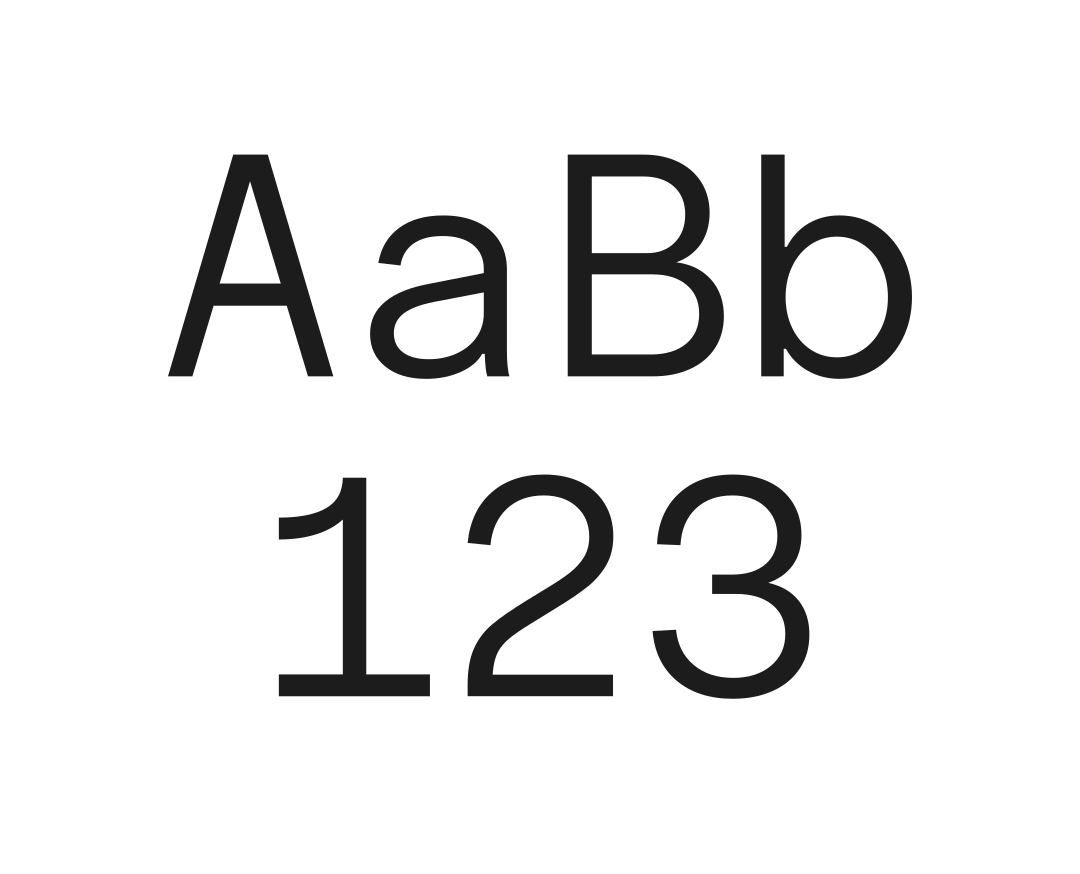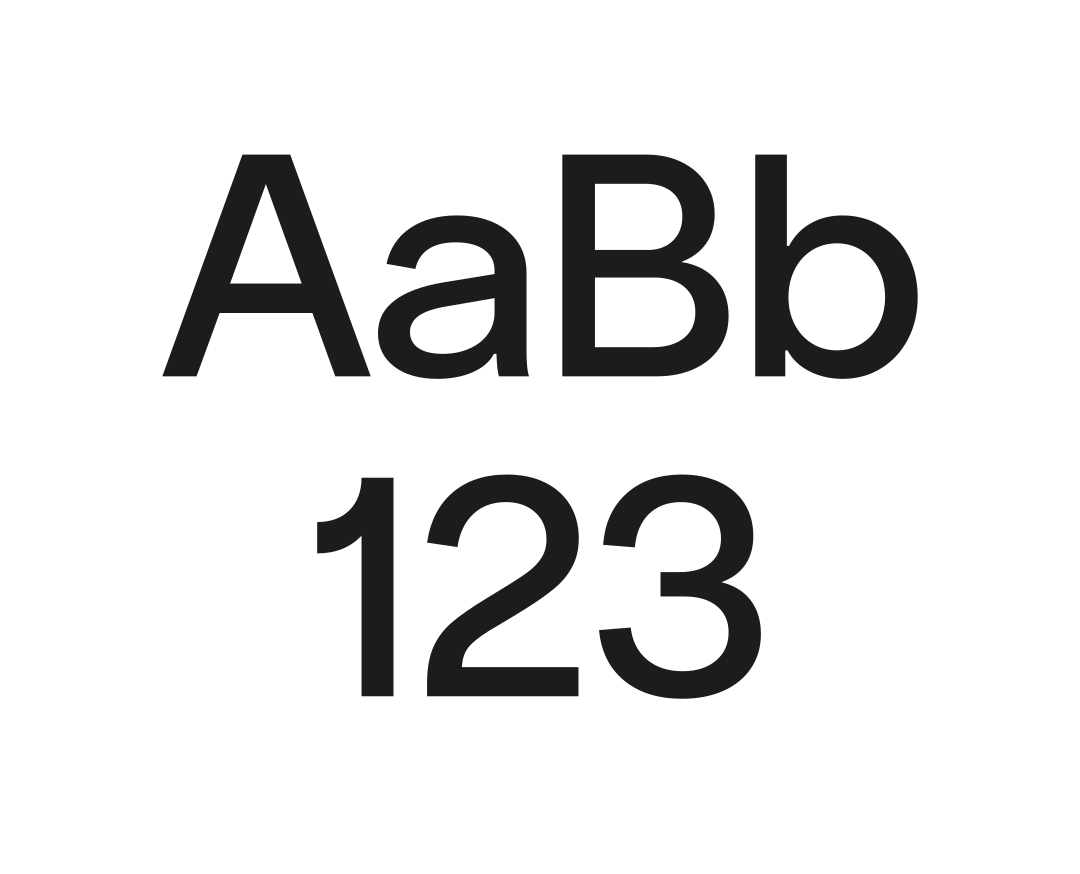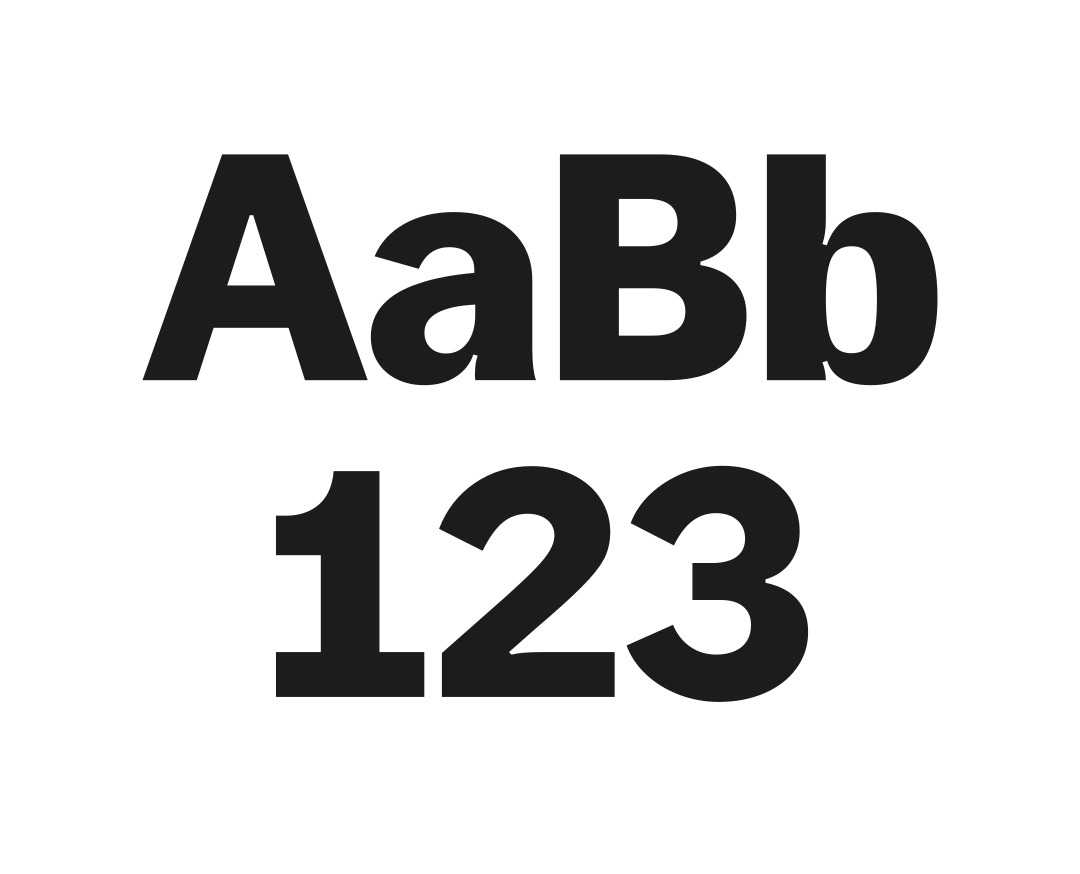
Sales message
6 styles
Size
Spacing
Leading
Solid Circle Figures
Outline Circle Figures
Solid Square Figures
Outline Square Figures
Above the noise, beyond the limits, where air thins and everything becomes clear.
Size
Spacing
Leading
Solid Circle Figures
Outline Circle Figures
Solid Square Figures
Outline Square Figures
MONTRÉAL RUN CLUB ÉDITION No 03 (05.42km, 4'38" PACE, +82m ELEV.)
Size
Spacing
Leading
Solid Circle Figures
Outline Circle Figures
Solid Square Figures
Outline Square Figures

A cloud is a visible mass of water droplets, ice crystals, or a mixture of both suspended in the atmosphere. Clouds form when water vapour cools and condenses around tiny particles of dust, salt, smoke, or other material. A typical cloud droplet may measure only 0.01 mm across, yet a large cloud can contain hundreds of tonnes of water and stretch for more than 100 km.

Clouds occur at very different heights. Low clouds generally form below 2,000 m, while middle-level clouds are commonly found between 2,000 and 7,000 m. High clouds may develop at altitudes of 5,000 to 13,000 m, where temperatures can fall below -40°C. Some storm clouds extend through several of these levels, rising from around 500 m to more than 12,000 m above the ground.

The modern system of cloud classification developed from the work of English meteorologist Luke Howard. In 1802, Howard proposed 3 principal categories: cirrus, cumulus and stratus. His terminology was expanded over time, and today the World Meteorological Organization recognises 10 main cloud genera. These include Cirrus, Cirrocumulus, Cirrostratus, Altocumulus, Altostratus, Nimbostratus, Stratocumulus, Stratus, Cumulus and Cumulonimbus.

Cumulus clouds are among the most familiar. Small examples may be only 1 or 2 km wide, appearing as bright, rounded forms with relatively flat bases. Under unstable atmospheric conditions, however, they can develop into enormous cumulonimbus clouds. A mature storm cloud may reach 10-15 km in height and contain more than 500,000 tonnes of water. Inside it, powerful currents of air can travel upwards at speeds exceeding 100 km/h.

Clouds play an important role in Earth’s climate. Approximately 67% of the planet is covered by cloud at any given time, although the amount varies considerably between regions. Clouds reflect incoming solar radiation back into space while also absorbing and re-emitting heat from Earth’s surface. Their overall effect depends on factors including altitude, thickness, composition and time of day.

Temperature is particularly important in determining cloud structure. At 0°C, water can begin to freeze, although tiny droplets may remain liquid well below this point. At temperatures between 0°C and -40°C, clouds can contain a mixture of liquid droplets and ice. Below approximately -40°C, most cloud particles consist entirely of ice crystals.

Clouds are also central to the water cycle. Around 505,000 km3 of water falls as precipitation across Earth each year. Most returns directly to the oceans, while the remainder falls over land before eventually flowing through rivers, groundwater and ice back towards the sea.

Despite these enormous quantities, individual clouds are temporary. Some survive for less than 10 minutes; others form part of weather systems lasting several days and travelling thousands of kilometres. A cloud observed at 09:00 may have changed completely by 09:30, while a larger weather system can remain recognisable for 24, 48 or even 72 hours.

Clouds are constantly changing. Their shapes are influenced by temperature, humidity, atmospheric pressure, wind and landscape. Mountains can force air upwards by 1,000 m or more, producing clouds along ridges and peaks, while coastlines and cities create local conditions that affect their formation.

From a distance, a cloud can appear almost solid. Up close, it has no fixed surface at all. It is instead a changing concentration of microscopic particles: something measured in millimetres and kilometres, at temperatures from 20°C to -40°C and beyond, yet defined as much by movement as by size.
Styles

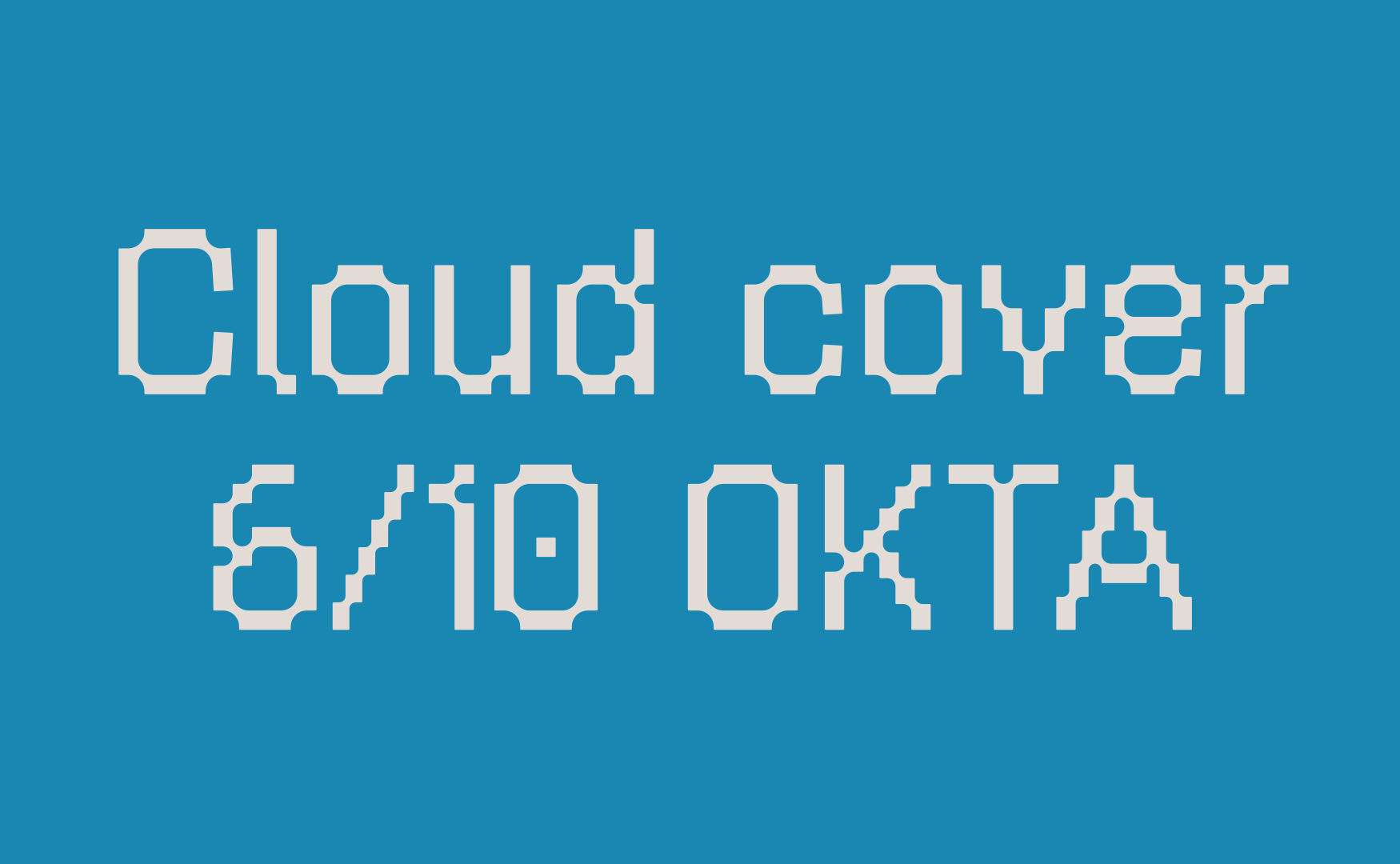
CLOUD COVER
8/8 Oktas
Cloud Light
300
PLEASE WAIT
【»pending«】
Cloud Regular
400
⁂(outside air
temperature)⁂
Cloud Light Italic
300
ALT. 38,969m
& signal lost!
Cloud Regular Italic
400
“A TEMPORARY
STATE”
Cloud Light Retalic
300
↙VECTOR 240
08:29 UTC↗
Cloud Regular Retalic
400

OpenType Features

SS01
Solid circle figures
SS02
Outline circle figures
SS03
Solid square figures
SS04
Outline square figures
CALT
Contextual alternates
CASE
Case sensitive forms
SS01
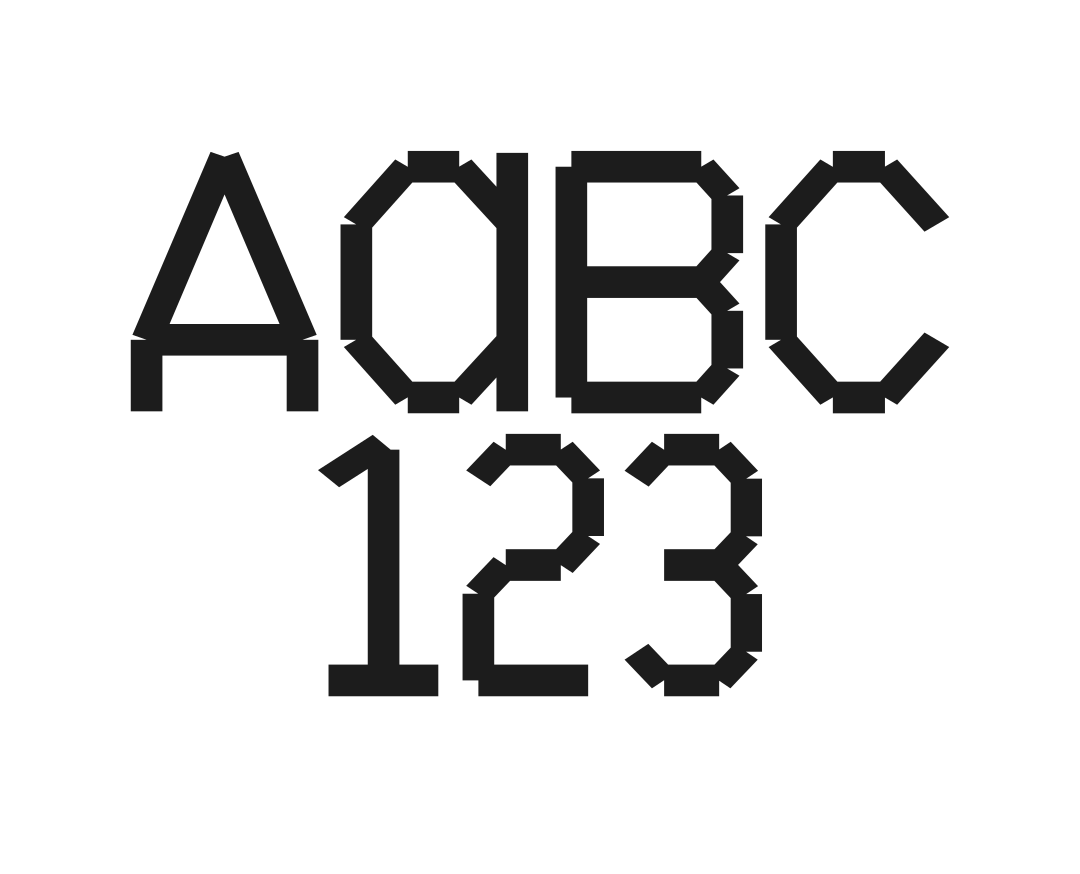
Round single-storey ‘a’ for a softer tone.
SS02
Flat ‘Y’, ‘a’ & ‘y’ for a technical aesthetic.
SS03
Minimal ‘Q’ and slabbed ‘I’ for improved legibility when needed.
SS04
Traditional “et” style ampersand.
SS05
Square dots and commas can be replaced with round versions.
SS06
Slabbed ‘1’ and slashed ‘0’ for improved legibility when numerals are important.
SS07
Outlined circular numbers, useful for diagrams and checklists.
SS08
Filled variants of the circle numbers.

Glyph Set

UT
xxxx
UNIT Type
A
B
C
D
E
F
G
H
I
J
K
L
M
N
O
P
Q
R
S
T
U
V
W
X
Y
Z
a
b
c
d
e
f
g
h
i
j
k
l
m
n
o
p
q
r
s
t
u
v
w
x
y
z
0
1
2
3
4
5
6
7
8
9
&
@
(
)
[
]
{
}
【
】
/
|
\
!
¡
?
¿
•
_
-
–
—
〜
.
,
;
:
…
'
‘
’
‚
‹
›
“
"
”
„
«
»
†
‡
*
⁂
°
§
©
®
™
№
Ř
Ŗ
Ś
Ŝ
Š
Ş
Ș
Á
À
Ă
Â
Å
Ä
Ã
Ą
Ā
Æ
Ć
Ĉ
Č
Ċ
Ç
Ď
Đ
É
È
Ĕ
Ê
Ě
Ë
Ẽ
Ė
Ę
Ē
Ə
Ğ
Ĝ
Ġ
Ģ
Ĥ
Ħ
Í
Ì
Ĭ
Î
Ï
Ĩ
İ
Į
Ī
Ĵ
Ķ
Ĺ
Ľ
Ļ
Ł
Ń
Ň
Ñ
Ņ
Ó
Ò
Ŏ
Ô
Ö
Ő
Õ
Ø
Ō
Œ
Ŕ
ẞ
Ť
Ţ
Ț
Ŧ
Ú
Ù
Ŭ
Û
Ů
Ü
Ű
Ũ
Ų
Ū
Ẃ
Ẁ
Ŵ
Ẅ
Ý
Ỳ
Ŷ
Ÿ
Ỹ
Ź
Ž
Ż
Þ
á
à
ă
â
å
ä
ã
ą
ā
æ
ć
ĉ
č
ċ
ç
ď
đ
ð
é
è
ĕ
ê
ě
ë
ẽ
ė
ę
ē
ə
ğ
ĝ
ġ
ģ
ħ
í
ì
ĭ
î
ï
ĩ
į
ī
ı
ĵ
ķ
ĺ
ľ
ļ
ł
ŀ
ń
ň
ñ
ņ
ó
ò
ŏ
ô
ö
ő
õ
ø
ō
œ
ŕ
ř
ŗ
ś
ŝ
š
ş
ș
ß
ť
ţ
ț
ŧ
ú
ù
ŭ
û
ů
ü
ű
ũ
ų
ū
ẃ
ẁ
ŵ
ẅ
ý
ỳ
ŷ
ÿ
ỹ
ź
ž
ż
þ
¤
£
€
$
¢
¥
₹
+
−
÷
×
=
#
%
‰
<
>
≤
≥
±
≠
≈
0
1
2
3
4
5
6
7
8
9
0
1
2
3
4
5
←
→
↑
↓
↔
↕
↖
↗
↘
↙

Notes

Lorem ipsum dolor sit amet, consectetur adipiscing elit. Praesent egestas lectus vel sem rutrum, vel vestibulum magna ornare. Ut id eros at erat volutpat euismod at a ipsum. Proin volutpat dui sit amet luctus placerat. Suspendisse eget massa in tortor dapibus pretium et nec ex. Morbi gravida laoreet malesuada. Praesent ultricies arcu placerat turpis ultrices pellentesque. Aliquam posuere ligula sodales, facilisis velit sed, efficitur neque. Aenean consequat non leo imperdiet malesuada. Phasellus a lacus quis nulla consectetur porttitor. Cras non egestas sem. Cras quam tellus, ultricies a ipsum ut, commodo commodo ligula. Nam dapibus condimentum ante, eu varius nisi. Ut non ex purus.

Technical

Family
UT Cloud
Styles
6
James Smith
Design & production
Classification
Modular Display
Version
1.001
Release date
August 2026
Glyphs
OpenType features
File formats
Web font sizes (WOFF2)
440
Contextual Alternates
Case Sensitive Forms
4 x Stylistic Sets
OTF (Desktop & App)
WOFF2 (Web)
Light/Italic/Retalic – 00kb/ 00kb/ 00kb
Regular/Italic/Retalic – 00kb/ 00kb/ 00kb

Languages

Acheron, Achinese, Acholi, Achuar-Shiwiar, Afar, Afrikaans, Aguaruna, Alekano, Aleut, Alonquin, Amahuaca, Amarakaeri, Amis, Anaang, Anuta, Aragonese, Arbëreshë Albanian, Asháninka, Ashéninka Perené, Atayal, Balinese, Banjar, Bari, Basque, Batak Dairi, Batak Karo, Batak Mandailing, Batak Simalungun, Batak Toba, Bemba (Zambia), Bena (Tanzania), Bikol, Bislama, Borana-Arsi-Guji Oromo, Bosnian, Breton, Buginese, Candoshi-Shapra, Caquinte, Caribbean Hindustani, Cashibo-Cacataibo, Cashinahua, Catalan, Cebuano, Central Aymara, Central Kurdish, Chachi, Chamorro, Chavacano, Chiga, Chiltepec Chinantec, Chokwe, Chuukese, Cimbrian, Cofán, Cook Islands Māori, Cornish, Corsican, Creek, Crimean Tatar, Croatian, Czech, Danish, Dehu, Dutch, Eastern Arrernte, Eastern Oromo, English, Faroese, Fijian, Filipino, Finnish, French, Friulian, Gagauz, Galician, Ganda, Garifuna, German, Gheg Albanian, Gilbertese, Gooniyandi, Gourmanchéma, Guadeloupean Creole French, Gusii, Haitian, Hani, Hiligaynon, Hopi, Huastec, Hungarian, Icelandic, Iloko, Inari Sami, Indonesian, Irish, Istro Romanian, Italian, Ixcatlán Mazatec, Jamaican Creole English, Japanese, Javanese, Jola-Fonyi, K'iche', Kabuverdianu, Kaingang, Kala Lagaw Ya, Kalaallisut, Kalenjin, Kamba (Kenya), Kaonde, Karelian, Kashubian, Kekchí, Kenzi, Mattokki, Khasi, Kikuyu, Kimbundu, Kinyarwanda, Kituba (DRC), Kongo, Konzo, Kven Finnish, Kölsch, Ladin, Ladino, Latgalian, Lithuanian, Lombard, Low German, Lower Sorbian, Luba-Lulua, Lule Sami, Luo (Kenya and Tanzania), Luxembourgish, Macedo-Romanian, Makonde, Malagasy, Malaysian, Maltese, Mandinka, Mandjak, Mankanya, Manx, Maore Comorian, Maori, Mapudungun, Marshallese, Matsés, Mauritian Creole, Meriam Mir, Meru, Minangkabau, Mirandese, Mohawk, Montenegrin, Munsee, Murrinh-Patha, Mwani, Mískito, Naga Pidgin, Ndonga, Neapolitan, Ngazidja Comorian, Niuean, Nobiin, Nomatsiguenga, North Ndebele, Northern Kurdish, Northern Qiandong Miao, Northern Sami, Northern Uzbek, Norwegian, Nyanja, Nyankole, Occitan, Ojitlán Chinantec, Orma, Oroqen, Palauan, Pampanga, Papantla Totonac, Papiamento, Pedi, Picard, Pichis Ashéninka, Piemontese, Pijin, Pintupi-Luritja, Pipil, Pohnpeian, Polish, Portuguese, Potawatomi, Purepecha, Páez, Quechua, Romanian, Romansh, Rotokas, Rundi, Samoan, Sango, Sangu (Tanzania), Saramaccan, Sardinian, Scots, Scottish Gaelic, Sena, Seri, Seselwa Creole French, Shawnee, Shipibo-Conibo, Shona, Shuar, Sicilian, Silesian, Slovak, Slovenian, Soga, Somali, Soninke, South Ndebele, Southern Aymara, Southern Qiandong Miao, Southern Sami, Southern Sotho, Spanish, Sranan Tongo, Standard Estonian, Standard Latvian, Standard Malay, Sundanese, Swahili, Swedish, Swiss German, Tagalog, Tahitian, Tedim Chin, Tetum, Tetun Dili, Toba, Tok Pisin, Tokelau, Tonga (Tonga Islands), Tonga (Zambia), Tosk Albanian, Tumbuka, Turkish, Turkmen, Tzeltal, Tzotzil, Uab Meto, Umbundu, Ume Sami, Upper Guinea Crioulo, Upper Sorbian, Venetian, Veps, Võro, Walloon, Walser, Waray (Philippines), Warlpiri, Wayuu, Welsh, West Central Oromo, Western Abnaki, Western Frisian, Wiradjuri, Wolof, Xhosa, Yanesha', Yao, Yucateco, Zapotec, Zulu, Záparo.
Cloud Light Light Italic Light Retalic Regular Regular Italic Regular Retalic
Rig
Block
Atypic Mono
Atypic
Clarke
Sales message
6 styles

Atypic ExtraBold

Atypic Bold

Atypic Medium

Atypic Regular

Atypic Text

Atypic Light

Atypic ExtraLight

OpenType features

Round single-storey ‘a’ (SS01)

Flat ‘Y’, ‘a’ & ‘y’ (SS02)

Minimal ‘Q’ and slabbed ‘I’ (SS03)

Traditional “et” style ampersand (SS04)

Round dots and commas (SS05)

Slabbed ‘1’ and slashed ‘0’ (SS06)

Outlined circular numbers (SS07)

Filled circle numbers (SS08)

Lorem ipsum dolor sit amet, consectetur adipiscing elit. Praesent egestas lectus vel sem rutrum, vel vestibulum magna ornare. Ut id eros at erat volutpat euismod at a ipsum. Proin volutpat dui sit amet luctus placerat. Suspendisse eget massa in tortor dapibus pretium et nec ex. Morbi gravida laoreet malesuada. Praesent ultricies arcu placerat turpis ultrices pellentesque. Aliquam posuere ligula sodales, facilisis velit sed, efficitur neque. Aenean consequat non leo imperdiet malesuada. Phasellus a lacus quis nulla consectetur porttitor. Cras non egestas sem. Cras quam tellus, ultricies a ipsum ut, commodo commodo ligula. Nam dapibus condimentum ante, eu varius nisi. Ut non ex purus.

Family

Styles

Design & production

Version

Release date

Glyphs

Classification

Language support

UT Cloud
6
James Smith
1.001
August 2026
440
All UnitType retail typefaces use the Adobe Latin 3 glyph set with additional characters to support over 275 Latin-based languages.
Modular Display
Buy
Get trials of all fonts in the UnitType catalogue sent to your inbox.
Your fonts are on their way.
Something went wrong. Please try again.
UT Cloud
UT Block
UT Clarke
UT Atypic Mono
UT Atypic
Licensing guide
1. Choose a license
Standard licences
Desktop
Web
App
Small
5 users
Medium
20 users
Large
40 users
Unlimited
Contact for a quote
2. Choose fonts
Desktop Small – 5 users
Cart
3. Add licensee details

Secure checkout via Shopify. Prefer to pay by invoice or bank transfer? Get in touch.